
Technology, Leadership, and the Future of Work
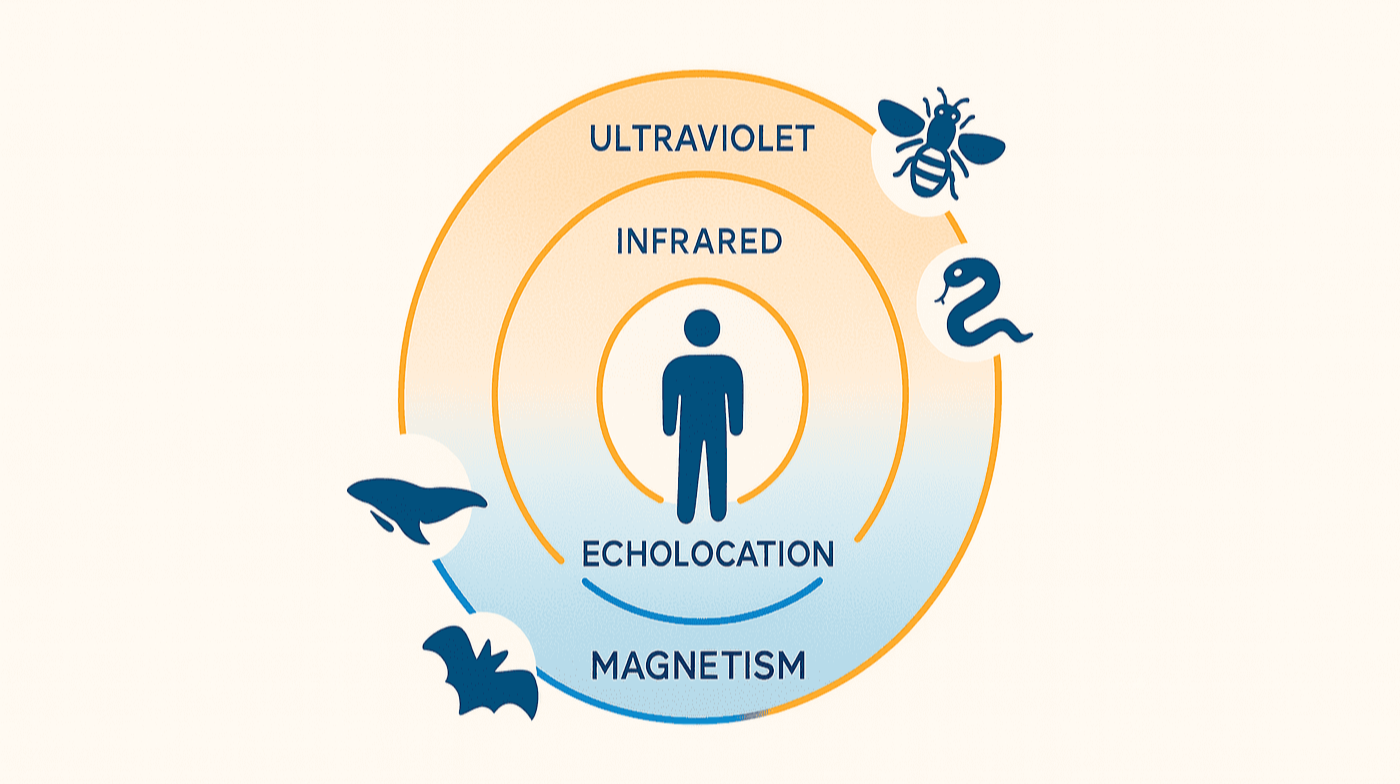
Superhuman Senses - Extending Human Perception
Whales sense magnetism, bats use echolocation, and bees see ultraviolet light. Technology enables humans to extend perception beyond their natural senses.

Digital Taste Technology and the Future of HCI
Among all the senses, taste remains the hardest to digitize. This piece looks at the technologies trying, and what they reveal about care, culture, and design.

Not Just Service With a Smile, But a Signal
A quiet dinner in New York raised a surprising question: when does personalization feel like care, and when does it cross a line? This piece explores the systems, visible and not, that shape our experiences in restaurants, workplaces, and beyond.

Smell and HCI - Sensing the Digital World
Sensing the Digital World explores how scent, often overlooked in digital design, holds powerful potential in human–computer interaction. From triggering deep emotional memory to enabling therapeutic or immersive applications, smell offers a unique path to richer, more inclusive experiences. While technical and cultural challenges remain, the article makes a compelling case for why scent deserves a seat at the interface design table.

Vision and HCI - Seeing in the Digital World
Vision in HCI isn’t just about what we see, it’s about how technology sees us. From eye tracking and visual attention to privacy, perception, and cultural design, this article explores how sight shapes, and sometimes distorts, our experience of the digital world.
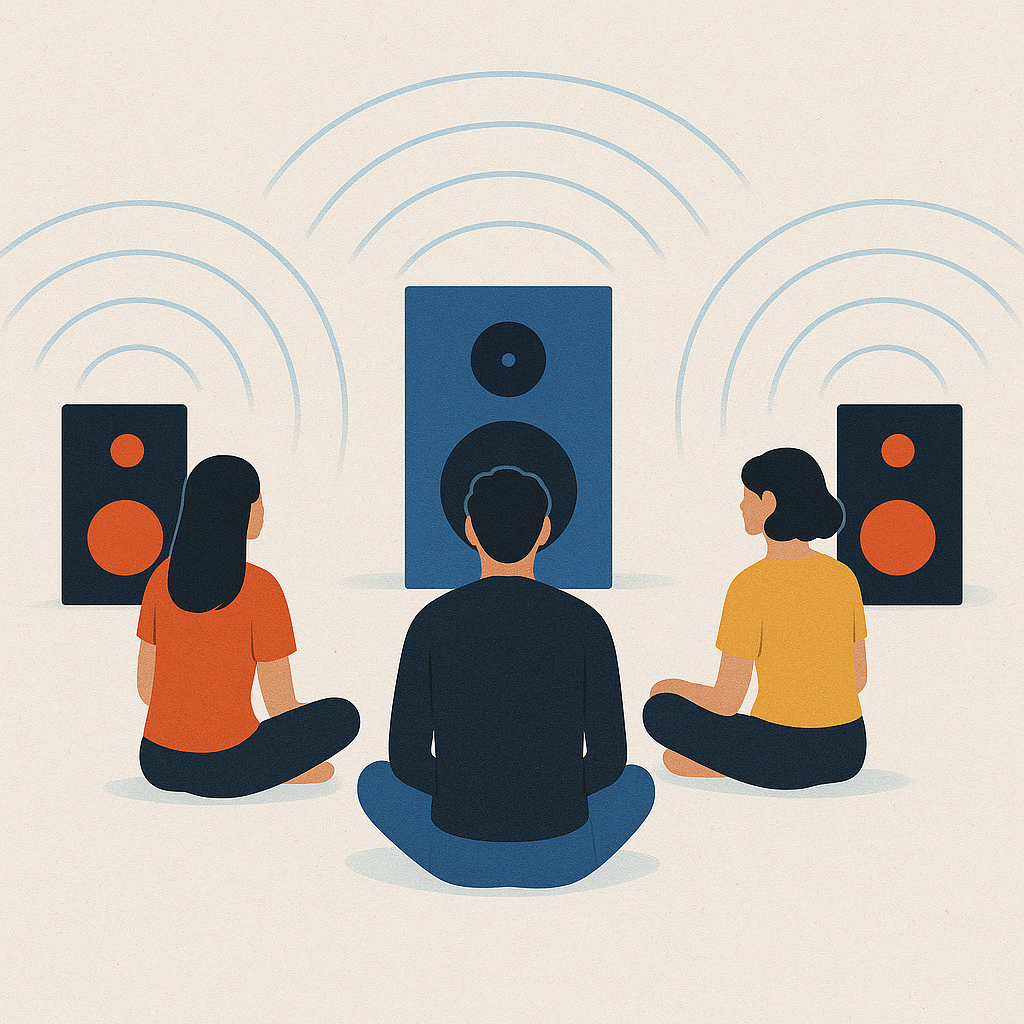
Sound and Technology - Hearing the Digital World
Explore how hearing shapes our interaction with technology, from spatial audio and assistive tools to the emotional tone of digital voices. This article examines the science, design, and cultural nuance behind sound in human-computer interaction, offering practical insight for building more inclusive and responsive systems.
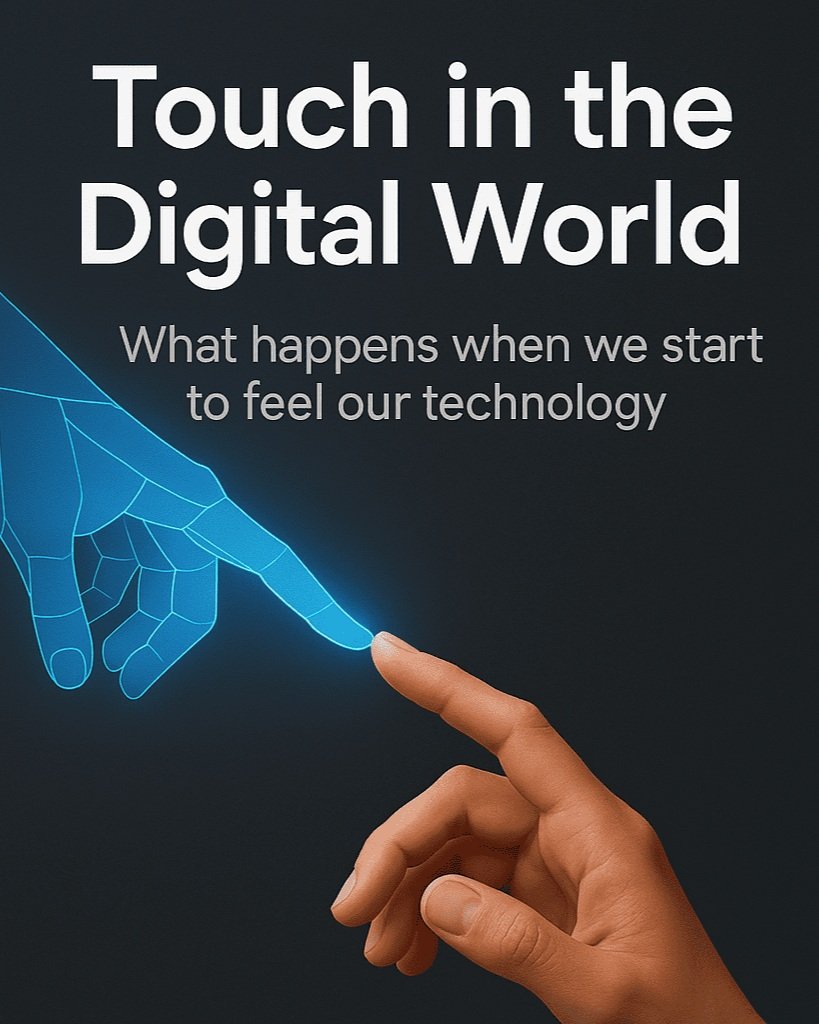
Exploring the Role of Touch in the Digital World
We don’t just use technology, we feel it. From the buzz of a phone to the nudge of a smartwatch, touch has become a digital language. This article explores how Human–Computer Interaction (HCI) is evolving through haptics, mid-air feedback, and context-aware design, and why understanding touch may be the next frontier for more human-centered experiences.

Human-Computer Interaction: Why It Matters More Than Ever
Human-Computer Interaction (HCI) is no longer just about usability. It’s about how technology feels, how it responds, and how it connects with us. This opening article explores why HCI matters today, and how our senses (touch, sight, sound, smell, and taste) are beginning to shape more human-centered digital experiences.

Shaping Our AI Future: Our Collective Responsibility
Generative AI is redefining work, leadership, and responsibility. This article introduces the 4C Framework—Clarity, Context, Collaboration, and Compassionate Scaling—to help organizations lead with purpose in an AI-driven world.

Your Future with Generative AI: What Employees Can Do
Generative AI is already changing your job, ignoring it isn’t an option. Start by getting clear on your skill gaps, building regular habits to learn, and carefully using AI tools. The real win isn’t AI itself but how you blend it with your own judgment, creativity, and experience. The sooner you start, the better positioned you’ll be.